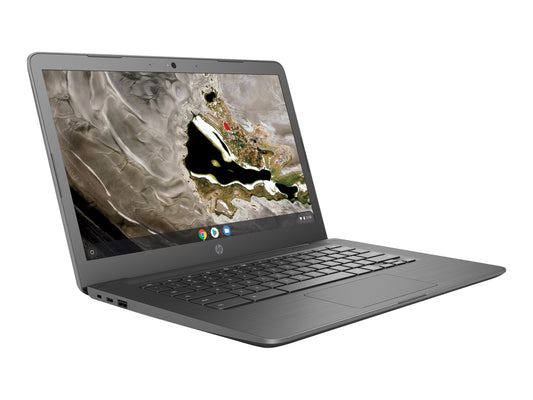




A refurbished laptop grade describes the cosmetic condition of the machine — scratches, dents, screen marks, keyboard wear — and almost nothing else. It does not tell you the processor generation, the battery health, or whether the laptop was ever tested. That is the single most misunderstood thing in this market, and it is why two sellers can both advertise "Grade A" and ship you very different laptops.
Here is what the common convention means in practice:
- Grade A: Near-new. Minimal to no visible marks. Screen clean under direct light. Typically the highest price in the refurbished band.
- Grade B: Light cosmetic wear. Faint scratches on the lid or palm rest, possibly minor scuffing on corners. Fully functional. This is where most buyers get the best value.
- Grade C: Visible wear. Scratches, scuffs, possible dents or a faded keyboard. Works correctly, looks used. Cheapest tier.
Critically, there is no legally defined or industry-standard grading scale in India. These letters are seller-defined. A responsible seller publishes exactly what its own grades mean; an irresponsible one uses the letter as decoration. Ask for the definition before you trust the grade.
Grading is cosmetic. Certification is functional
This is the distinction that decides whether you get a good machine or a bad one.
Certified refurbished laptops have gone through a documented process: the unit is inspected, faulty components are replaced, the storage is wiped, an operating system is installed, and the machine is tested before listing. A second-hand laptop is sold as-is by a previous owner or an unorganised dealer, with no testing and no accountability if it fails in week three.
The grade tells you how it looks. The certification tells you whether it works. A Grade C certified machine is a far safer purchase than an ungraded, untested "Grade A-looking" unit from a local reseller.
Why refurbished business laptops grade better than consumer ones
Most quality refurbished stock in India is ex-corporate: refurbished Dell Latitude, refurbished HP EliteBook, and ThinkPad units coming off three-year corporate leases. These were built to survive a fleet deployment, not a retail price point — magnesium alloy or carbon-fibre chassis, spill-resistant keyboards, replaceable RAM and SSDs, and metal hinges rather than plastic ones.
That build quality is why a four-year-old business laptop routinely grades better than a two-year-old consumer laptop. It also means the internals are serviceable, so a refurbisher can actually repair a fault instead of writing the unit off.
You can verify any ThinkPad, Latitude or EliteBook's original factory configuration on the manufacturer's own reference database — Lenovo publishes full specifications for every model on PSREF. If a listing's claimed specs don't match the factory sheet, that's your answer.
The one spec that overrides the grade: processor generation
A pristine Grade A laptop with a 6th-generation Intel processor is a worse buy than a Grade B with an 8th-gen chip, and it isn't close.
Microsoft's published Windows 11 system requirements require a TPM 2.0 security chip and a supported CPU, which in practice means 8th-generation Intel or newer. Anything older will not receive official Windows 11 updates. Sellers sometimes install Windows 11 on unsupported hardware anyway using a bypass. That machine is not receiving guaranteed security updates, whatever the listing says.
So the order of checks is: processor generation first, storage second, battery third, cosmetic grade last.
Are refurbished laptops good? What the market says
The demand answers this better than any review can. India's refurbished laptop market was valued at roughly USD 430 million in 2024, and business-grade refurbished machines are the fastest-growing segment within it (Deep Market Insights). Corporate buyers — the most risk-averse purchasers in the country — are the ones driving that growth.
There is a waste argument too. The UN's Global E-waste Monitor 2024 recorded 62 million tonnes of e-waste generated in 2022, with only 22.3% formally collected and recycled (UNITAR / ITU). A refurbished business laptop takes a working, well-built machine and adds three or four more years to its life instead of sending it to that pile.
What to verify before you pay
Whatever grade you're offered, the listing should answer all five of these on the product page itself:
- Exact CPU model and generation — not "Core i5" but "8th Gen Core i5-8250U".
- Storage type and size — an SSD, always. A mechanical hard drive is the single biggest cause of a "slow" refurbished laptop, and no processor fixes it.
- RAM — 8GB minimum for study and browsing, 16GB for real office multitasking.
- Tested battery condition — a real figure, not "good".
- Warranty period and coverage — as stated on that specific unit's page.
If a seller can't produce those five in writing, the grade letter is meaningless.
Where the grading is actually published
Saudewala is a Ghaziabad-based seller of professionally certified refurbished business laptops, servers and workstations, shipping pan-India with GST invoicing. Every unit runs through a multi-point quality check, internal faults are repaired before the laptop is listed, and the cosmetic grade is stated on the product page rather than left for you to guess at. If you're buying refurbished laptops in India and want the machine you read about to be the machine that arrives, that published grading is the thing you're actually paying for.
Conclusion
Grades describe appearance. Certification describes function. Specs describe whether the laptop will still be useful in 2029.
Read them in that order and the refurbished market becomes simple: confirm the processor generation, insist on an SSD, ask for the tested battery figure, read the warranty on the product page, and only then decide how much cosmetic wear you're willing to accept in exchange for a lower price. Buyers who understand grading almost always end up choosing Grade B — the marks are invisible in daily use and the saving is real.
Browse the certified refurbished range at Saudewala, where the grade is written on the page, not implied.
FAQ
Are refurbished laptops good in India?
Yes, when they are certified rather than simply used. Refurbished business laptops — Dell Latitude, HP EliteBook and ThinkPad models — were engineered for corporate fleets, so they are more durable and more serviceable than new consumer laptops in the same price band.
Which grade should I buy?
Grade B is the best value for most buyers. The cosmetic marks are barely noticeable in daily use, and the saving over Grade A is meaningful. Choose Grade A only if appearance genuinely matters to you, such as for client-facing work.
Does the grade tell me anything about performance?
No. Grading is cosmetic. Performance depends on the processor generation, RAM and storage. Always check the exact CPU model, confirm the machine has an SSD, and confirm the RAM before you look at the grade.
Do certified refurbished laptops come with a warranty?
Coverage varies by unit, so check the exact warranty period and terms stated on the specific product page before buying.
Can I buy certified refurbished laptops in Ghaziabad with a GST invoice?
Yes. Saudewala is GST-registered and based in Ghaziabad, Uttar Pradesh, shipping pan-India with a GST invoice — which matters if you are claiming input credit or buying for a business.