










You will not be allowed to compare more than 4 products at a time
View compareShowing 1-12 of 23 Results
-
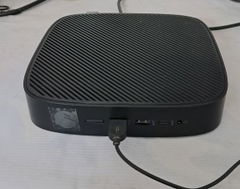
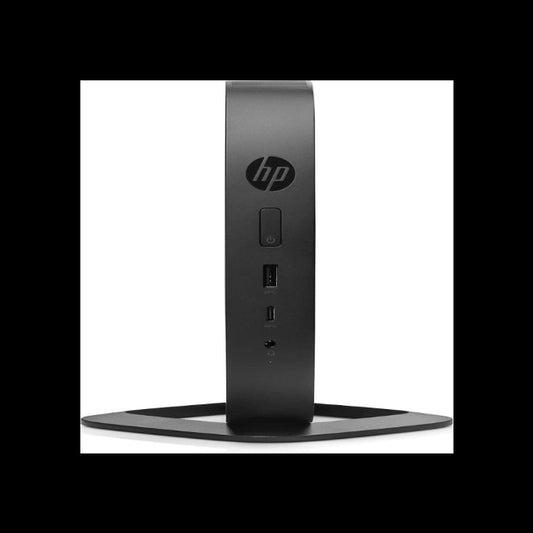
HP t530 Thin Client Computer (Refurbished)
Regular price ₹ 1,999.00Sale price ₹ 1,999.00 Regular priceUnit price per₹ 23,900.0091% OFF -
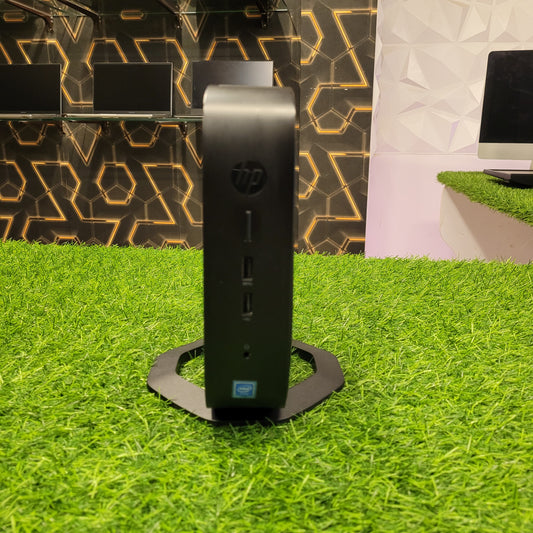
HP t630 Thin Client Computer (Refurbished)
Regular price ₹ 8,999.00Sale price ₹ 8,999.00 Regular priceUnit price per -
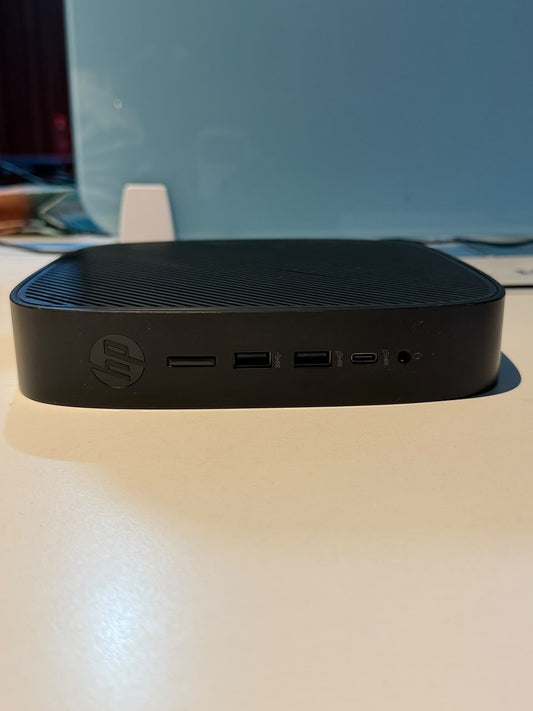
HP t638 Thin Client Computer (Refurbished)
Regular price ₹ 8,288.95Sale price ₹ 8,288.95 Regular priceUnit price per -

HP T640 Gaming Mini PC AMD Ryzen Embedded R1505G with Windows 10 and MS Office 2021 (Refurbished)
Regular price ₹ 2,899.00Sale price ₹ 2,899.00 Regular priceUnit price per₹ 31,900.0090% OFF -
HP Thin Client T740 Computers (Refurbished)
Regular price ₹ 11,153.90Sale price ₹ 11,153.90 Regular priceUnit price perSold out -
HP T628 Thin Client Computers (Refurbished)
Regular price ₹ 3,399.00Sale price ₹ 3,399.00 Regular priceUnit price per₹ 2,500.00 -
Dell Precision T3610 Gaming Pc/ Workstation (Computer)
Regular price ₹ 20,999.00Sale price ₹ 20,999.00 Regular priceUnit price perSold out -
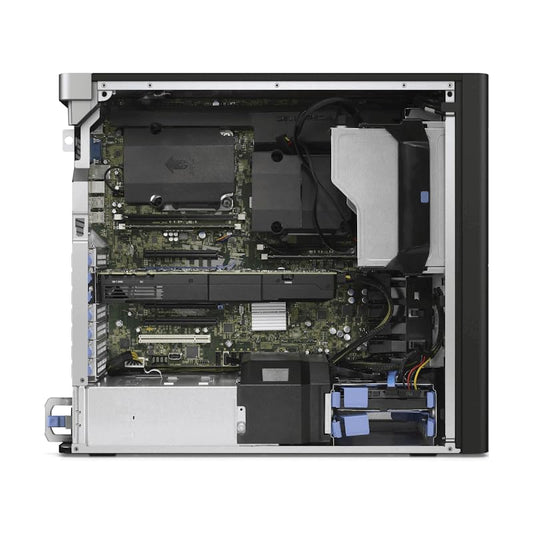
Dell Precision 7810 Refurbished Workstation
Regular price ₹ 59,999.00Sale price ₹ 59,999.00 Regular priceUnit price per₹ 2,500.00 -
HP Thin Client T430 Computers (Open Box)
Regular price ₹ 6,210.50Sale price ₹ 6,210.50 Regular priceUnit price perSold out -
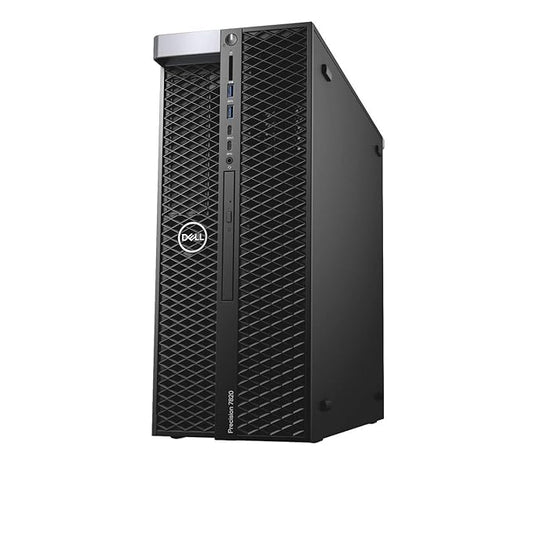
Dell precision 7820 work station
Regular price ₹ 105,499.00Sale price ₹ 105,499.00 Regular priceUnit price per₹ 2,500.00 -
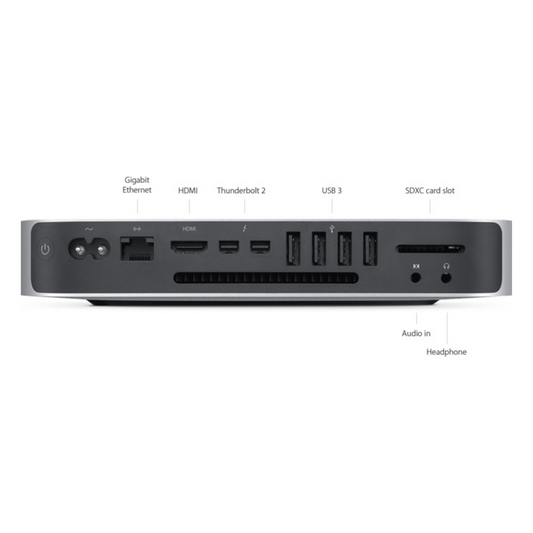
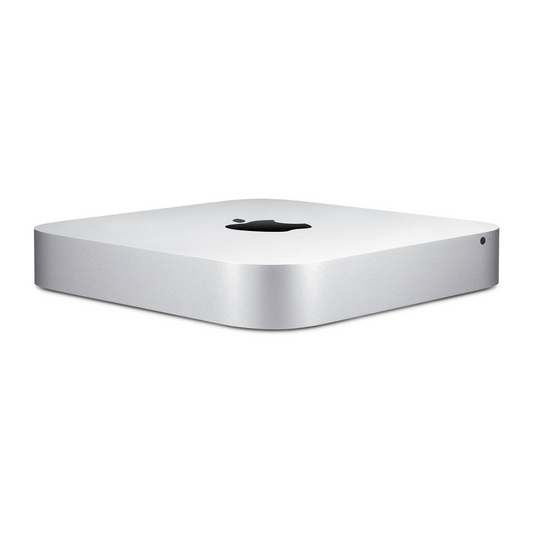
Apple Mac Mini A1347 Core i5 Late 2014 (Refurbished)
Regular price ₹ 9,999.00Sale price ₹ 9,999.00 Regular priceUnit price per -
Apple Mac Mini A1347 i7 3rd gen 2.3GHz Late 2012 (Refurbished)
Regular price ₹ 12,500.00Sale price ₹ 12,500.00 Regular priceUnit price perSold out